

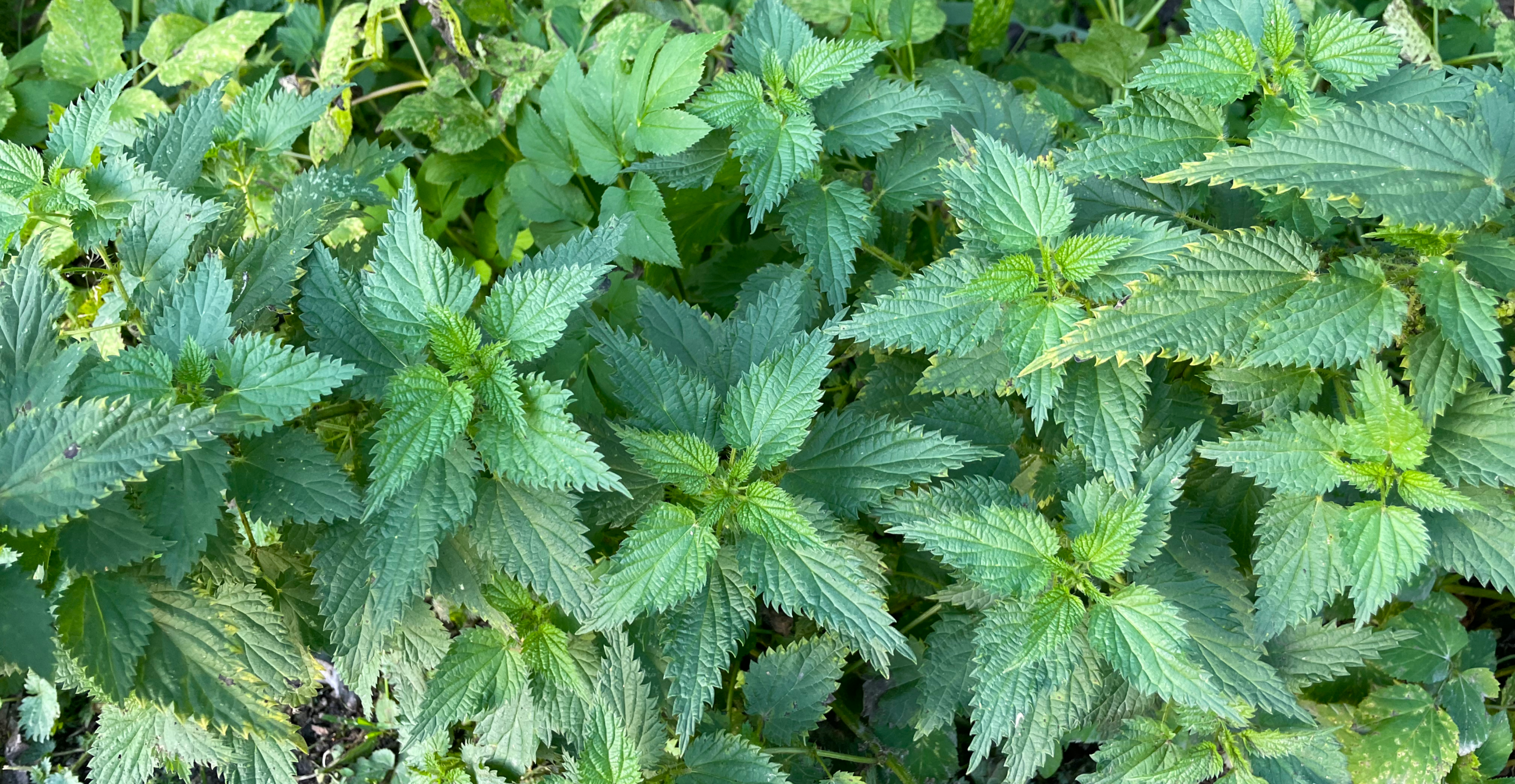
Nettle (Urtica dioica L.) is a perennial herbaceous plant belonging to the family Urticaceae. Its use as a food, medicinal, and utility plant is well documented in both European traditional medicine and contemporary phytotherapy. Scientific research conducted over recent decades has confirmed several traditional applications and has highlighted the plant’s rich chemical composition and broad biological activity.
Chemical Composition and Nutritional Value
The leaves and stems of stinging nettle contain numerous bioactive compounds, including ascorbic acid (vitamin C), carotenoids, flavonoids, phenolic acids, and chlorophyll. Among vitamins, vitamin K, vitamin A, and B-complex vitamins are particularly well represented. The plant is also rich in minerals such as calcium, iron, magnesium, potassium, manganese, and silicon.
From a nutritional perspective, stinging nettle is noteworthy: one cup of blanched nettle leaves provides approximately 37 kcal of energy, 2.4 g of protein, 6.1 g of dietary fibre, and significant amounts of calcium and potassium. Its vitamin A content supports visual function, while vitamin K contributes to normal bone metabolism and blood coagulation.
Effects on Hematopoiesis and Metabolism
The iron content of stinging nettle, in combination with vitamin C, enhances iron absorption and hemoglobin synthesis. For this reason, nettle has traditionally been used to support the management of anemia, fatigue, and recovery. Vitamin K plays an essential role in physiological blood coagulation processes.
Several studies suggest a potential hypoglycemic effect of stinging nettle. A compound identified in nettle leaves, UD-1, has demonstrated insulin-like activity in animal studies; however, clinical results in humans have been inconsistent and require further investigation.
Anti-Inflammatory and Antioxidant Effects
Flavonoids and phenolic compounds present in stinging nettle exhibit antioxidant and anti-inflammatory properties. The plant has been studied in relation to joint disorders, including osteoarthritis, muscle pain, and gout. Some studies indicate that topical application of nettle leaves or oral use of nettle extracts in combination with nonsteroidal anti-inflammatory drugs (NSAIDs) may reduce joint pain and inflammation. Nevertheless, additional clinical studies are needed to confirm these findings.
Cardiovascular Health and Fluid Balance
Stinging nettle has a mild diuretic effect, which supports the elimination of excess fluids from the body. In traditional medicine, nettle has been used to support blood pressure regulation, and some animal studies suggest a potential antihypertensive effect. The influence of nettle on cholesterol levels has also been investigated, but scientific evidence in human populations remains limited.
Respiratory Health and Immune Support
Stinging nettle has traditionally been used to alleviate seasonal allergies and respiratory conditions, including asthma. This effect is thought to be related to the plant’s ability to modulate histamine release in the body. However, further research is required to substantiate these mechanisms and clinical outcomes.
Women’s Health and Reproductive Support
In folk medicine, stinging nettle has been used to relieve premenstrual syndrome (PMS), menstrual pain, and menopausal symptoms. During lactation, nettle tea has been consumed to support breast milk production, although the extent of this effect has not been conclusively established. Due to its folic acid content, nettle also has nutritional value during pregnancy; however, caution is advised when using it for therapeutic purposes.
Prostate and Urinary Tract Health
Extracts of stinging nettle root have been studied for their role in alleviating symptoms of benign prostatic hyperplasia (BPH). Nettle root may influence the metabolism of dihydrotestosterone (DHT) and inhibit the proliferation of prostate cells, but it should not be considered a substitute for conventional medical treatment.
Skin, Hair, and Wound Healing
When used topically, stinging nettle improves skin circulation and tissue metabolism. In some cultures, nettle leaf juice has been applied to burns, cuts, and skin irritations. In the cosmetic industry, nettle leaves and roots are primarily used in hair care products, where their purpose is to enhance scalp microcirculation and reduce hair loss.
Other Uses
Beyond its medicinal and nutritional value, stinging nettle plays an important role in organic agriculture, where it is used as a natural fertilizer, animal feed, and a means of controlling pests such as caterpillars and worms. Historically, nettle fibers have been used in textile production, and today they are also found in certain skincare products.
Preparation and Consumption of Nettle
Nettle leaves can be purchased from herbal and health food stores or harvested in the spring when the leaves are young and tender. Gloves should be worn when handling raw nettles, as the stinging hairs on the leaves can cause skin irritation.
To remove the stinging effect, nettles are briefly blanched in boiling water and then cooled. Nettles are used in teas, soups, pestos, curries, and pasta dishes. Nettle tea has a mild, herbaceous flavour and has traditionally been consumed to support joint health, manage anemia, and reduce fluid retention.
Safety and Adverse Effects
Consumption of stinging nettle as food or tea is generally well tolerated. In rare cases, mild side effects such as gastrointestinal irritation, nausea, or headache may occur. Nettle preparations are not recommended for individuals with renal or cardiac insufficiency, and consultation with a healthcare professional is advised for long-term use. Nettle tea should be consumed in courses lasting 1–2 weeks, up to two cups per day, followed by an equally long break.
Conclusion
Nettle is an exceptionally versatile plant whose value extends from nutrition and phytotherapy to agriculture and cosmetics. Both traditional knowledge and modern scientific research support the view that, when used appropriately and in moderation, stinging nettle represents a valuable component of natural self-care and a balanced lifestyle.
Scientific studies on stinging nettle:
https://www.ema.europa.eu/en/medicines/herbal/urticae-herba
https://www.webmd.com/diet/health-benefits-nettle-leaf.
References:
https://www.telegram.ee/toit-ja-tervis/harilik-korvenoges-meie-oma-eestimaine-supertoit;
https://alkeemia.ee/noiataim-noges-turgutab-organismi-ning-puhastab-kodu-negatiivsest-energiast/
https://paikesetoit.blogspot.com/2012/06/mustiline-ja-maagiline-noges.html
https://www.webmd.com/diet/health-benefits-nettle-leaf.
Frequently Asked Questions
Is stinging nettle safe for daily consumption?
Stinging nettle is generally safe when consumed in moderation as food or tea. Long-term or therapeutic use should be discussed with a healthcare professional.
What are the main health benefits of stinging nettle?
Stinging nettle is known for its nutritional value, anti-inflammatory properties, and potential benefits for joint health, anemia, and urinary tract function.
Can stinging nettle interact with medications?
Yes. Nettle may interact with blood pressure medications, diuretics, and anticoagulants. Medical advice is recommended before regular use.